Protection That Stops Heat and Water Damage
Roof Coating in Tucson for flat and low-slope roofs exposed to extreme sun and seasonal moisture
Morehouse Family Painting applies professional roof coating systems certified by Sherwin-Williams to extend the life of existing roofs throughout Tucson. Reflective coatings address two critical concerns in this climate: heat absorption that degrades roofing materials and water intrusion during monsoon season. The coating seals minor surface cracks while creating a barrier that keeps roofs cooler and structurally sound.
Roof coating involves thorough surface preparation followed by even application of reflective material designed specifically for flat and low-slope roofing systems. The preparation phase removes debris and ensures the substrate is clean and dry, which allows the coating to bond properly. The reflective layer then reduces heat absorption, lowering surface temperatures and slowing the thermal cycling that causes roofing materials to crack and fail over time.
Schedule a roof evaluation to determine whether coating is appropriate for your current roof condition.
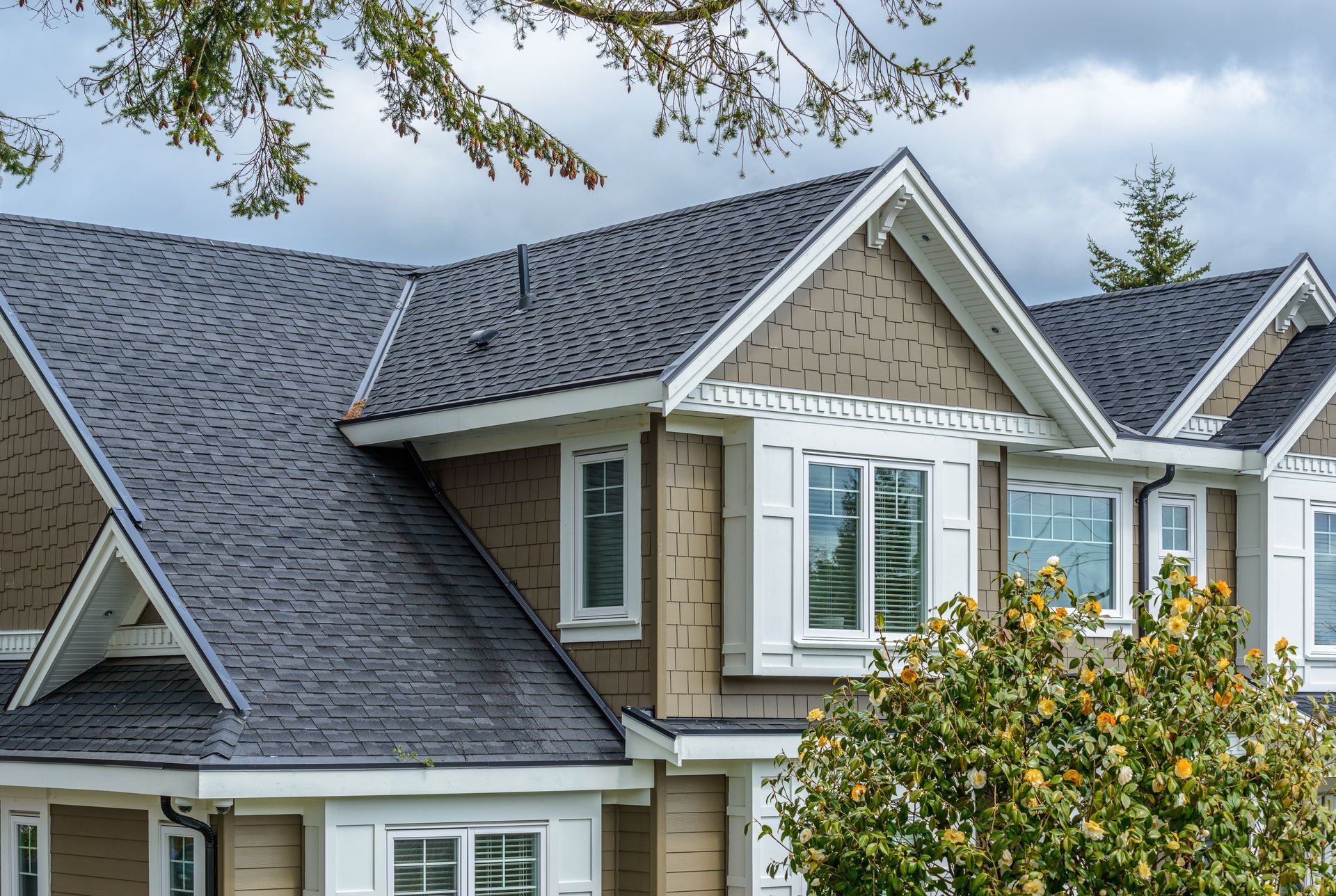
How Coating Changes Your Roof's Performance
The coating process begins with surface preparation that removes contaminants and addresses any areas where adhesion might fail. Once the Sherwin-Williams roofing system is applied evenly across the surface, it forms a seamless membrane that seals minor cracks and creates a uniform protective layer. The reflective properties of the coating become immediately measurable, with surface temperatures dropping significantly compared to uncoated roofing materials exposed to direct sun.
After the coating cures, you'll notice the roof surface appears uniform and reflective rather than aged or patchy. Interior temperatures often decrease as the roof absorbs less heat, which reduces the load on cooling systems during Tucson's extended summer. The sealed surface also sheds water more effectively during monsoon storms, preventing the pooling and slow infiltration that leads to leaks and membrane degradation.
This service focuses exclusively on coating application for roofs that are structurally sound but showing signs of aging or heat stress. Major repairs, structural damage, or full roof replacement fall outside the scope of this work and require assessment by a roofing contractor. Coating extends the life of your existing roof as a cost-effective alternative to replacement, but it depends on starting with a roof that has sufficient integrity to support the coating system.
What Roof Coating Clients Ask Most Often
Roof coating is particularly relevant for flat and low-slope roofs in Tucson, where heat and monsoon moisture create distinct challenges. The following questions address how the coating process works and what it achieves.
What makes reflective coating effective in Tucson's climate?
The coating reflects solar radiation rather than absorbing it, which keeps the roof surface cooler and reduces the thermal expansion and contraction that causes cracking. In a region where roof surfaces can exceed 160 degrees, reflective coatings lower temperatures by 30 to 50 degrees, which directly reduces stress on roofing materials and extends their functional life.
How does surface preparation affect coating performance?
Proper adhesion depends on a clean, dry substrate free of debris, oils, and loose material. The preparation phase removes contaminants and ensures the coating bonds to the existing roof rather than sitting on top of a layer that could eventually separate, which would compromise the seal and allow water infiltration.
What types of roofs are suitable for coating?
Flat and low-slope roofs with intact membranes or surfaces benefit most from coating. Roofs with significant structural damage, extensive cracking, or active leaks require repair before coating can be applied, since the coating seals minor surface issues but does not fix underlying failures.
When should coating be applied for best results?
Coating should be scheduled during dry periods when temperatures allow proper curing. In Tucson, late spring and fall provide ideal conditions, avoiding both the extreme heat of summer and the moisture of monsoon season, which can interfere with adhesion and curing.
How long does a properly applied roof coating last?
Sherwin-Williams roofing systems typically provide protection for 10 to 15 years when applied correctly to a suitable substrate. Longevity depends on initial surface condition, application quality, and ongoing exposure to UV radiation and weather, but the coating significantly outlasts doing nothing to protect an aging roof.
Morehouse Family Painting is certified by Sherwin-Williams roofing systems and focuses exclusively on coating application to provide cost-effective roof protection. Request a property assessment to review your roof's condition and determine whether coating is the right approach for extending its service life.